
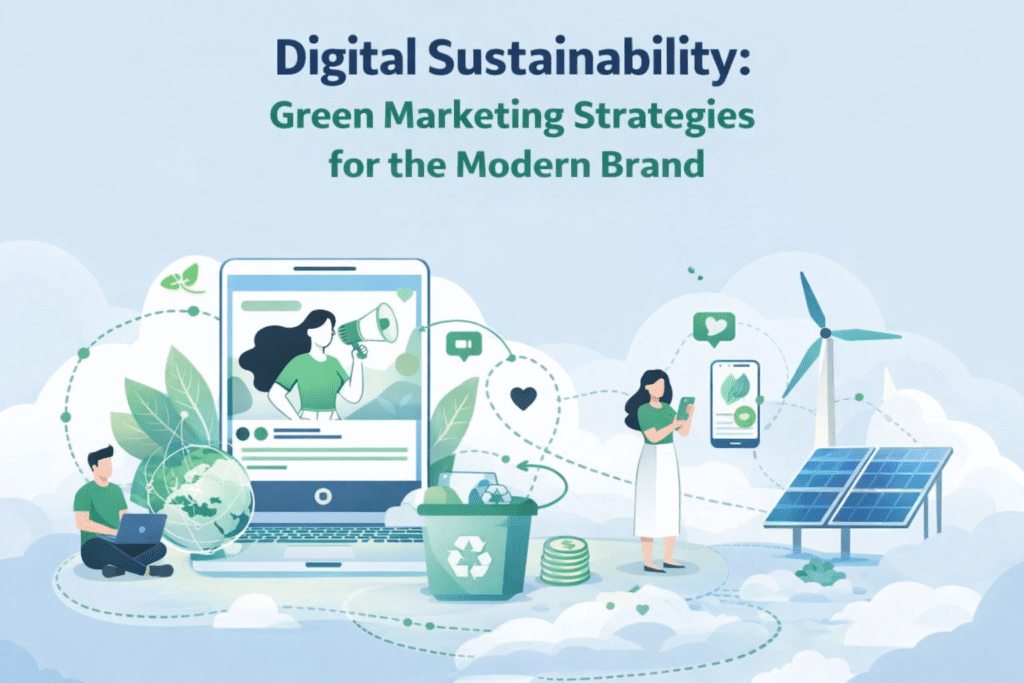
In an era where climate consciousness shapes consumer behavior, businesses face a dual challenge: reducing their environmental footprint while effectively communicating their sustainability efforts. Digital sustainability has emerged as a critical intersection between technological innovation and environmental responsibility, offering brands unprecedented opportunities to market authentically while making genuine ecological impact. Understanding these principles is essential for anyone pursuing digital marketing classes or Classify Skill Education programs focused on modern marketing strategies.
Understanding Digital Sustainability
Digital sustainability refers to the practice of designing, developing, and operating digital products and services in ways that minimize environmental harm. This encompasses everything from energy-efficient websites and carbon-neutral hosting to responsible data management and eco-conscious digital advertising. As the digital economy expands, its environmental footprint grows, making sustainable digital practices not just ethical choices but business imperatives—a key topic covered by any top digital marketing institute in West Delhi or similar educational institutions.
The carbon footprint of our digital infrastructure is substantial. Data centers consume approximately 1% of global electricity, while the broader ICT sector accounts for roughly 2-3% of global greenhouse gas emissions—comparable to the aviation industry. Every email sent, video streamed, and website visited contributes to this impact, making digital sustainability a pressing concern for modern businesses.
The Rise of Green Marketing in the Digital Age
Green marketing has evolved from a niche approach to a mainstream strategy, demonstrating one of the key benefits of digital marketing in today’s eco-conscious world. Today’s consumers, particularly millennials and Gen Z, actively seek brands that align with their environmental values. Research consistently shows that a significant majority of consumers prefer purchasing from companies with strong sustainability credentials, and many are willing to pay premium prices for eco-friendly products.
However, this shift has also introduced challenges. The phenomenon of “greenwashing”—where companies exaggerate or fabricate environmental benefits—has made consumers skeptical. Authentic green marketing requires genuine commitment backed by transparent action, not just clever messaging—a critical lesson taught in comprehensive performance marketing course curricula.
Key Green Marketing Strategies for Digital Platforms
1. Optimize Your Digital Infrastructure
Your website’s carbon footprint begins with its hosting and design. Choose green hosting providers that use renewable energy or carbon offset programs. Optimize your website’s performance by compressing images, minimizing code, and reducing server requests. A faster, lighter website not only reduces energy consumption but also improves user experience and search engine rankings—showcasing the benefits of digital marketing optimization techniques.
Consider implementing lazy loading for images, using efficient file formats like WebP, and minimizing the use of resource-intensive elements like autoplay videos. These technical optimizations demonstrate commitment to sustainability while delivering tangible business benefits. These strategies are core components of modern digital marketing classes and Classify Skill Education training programs.
2. Create Authentic Sustainability Content
Develop content that educates and engages your audience about environmental issues relevant to your industry. Share behind-the-scenes insights into your sustainability initiatives, including challenges and progress. Transparency builds trust and differentiates genuine commitment from greenwashing—a principle emphasized in any reputable performance marketing course.
Use storytelling to humanize your sustainability journey. Feature employees involved in green initiatives, showcase customer testimonials about sustainable products, or document your supply chain improvements. Authentic narratives resonate more deeply than abstract claims, demonstrating measurable benefits of digital marketing when done correctly.
3. Leverage Social Media Responsibly
Social media offers powerful platforms for green marketing, but use them strategically. Focus on platforms where your audience is most active rather than maintaining presence everywhere. Share meaningful content that sparks conversation about sustainability rather than superficial posts.
Encourage user-generated content showcasing how customers use your sustainable products. Create hashtag campaigns that promote environmental awareness. Partner with eco-conscious influencers whose values genuinely align with your brand, ensuring authentic endorsements rather than transactional relationships. Leading institutions like the top digital marketing institute in West Delhi teach these advanced social media strategies as part of their comprehensive curriculum.
4. Implement Digital Certifications and Badges
Display recognized environmental certifications prominently on your digital properties. Whether it’s B Corp status, Carbon Neutral certification, or industry-specific eco-labels, these third-party validations provide credibility that self-proclaimed claims cannot match.
Consider obtaining digital sustainability certifications for your website itself, such as CO2 neutral website badges, which demonstrate your commitment to minimizing digital carbon footprints. This builds trust and enhances brand reputation—key benefits of digital marketing transparency.
5. Practice Data Minimization
Collect only the data you need and maintain it responsibly. Excessive data collection requires more storage and processing, increasing energy consumption. Implement privacy-first marketing approaches that respect user preferences while reducing environmental impact—a critical topic in modern digital marketing classes.
Regular data audits can identify unnecessary information you’re storing, allowing you to streamline databases and reduce server loads. This approach aligns privacy protection with environmental responsibility, topics covered extensively in Classify Skill Education programs and performance marketing course modules.
6. Design for Longevity and Accessibility
Create digital products and campaigns designed to remain relevant and functional over time, reducing the need for constant updates and redesigns. This sustainable design philosophy extends product lifecycles and reduces resource consumption.
Ensure your digital presence is accessible to all users, including those with disabilities. Accessible design often correlates with efficient, clean code that performs better and consumes less energy. Understanding these principles is essential for graduates of the top digital marketing institute in West Delhi and similar training programs.
7. Embrace Circular Economy Principles
Apply circular economy concepts to your digital marketing. This might include programs for recycling electronic products, trade-in initiatives, or digital platforms facilitating product sharing or resale. Market these programs as convenient solutions that benefit both customers and the environment—illustrating strategic benefits of digital marketing innovation.
Create digital ecosystems that keep customers engaged with your brand through services rather than just products, reducing the need for constant new purchases. These advanced strategies are taught in comprehensive performance marketing course programs.
Measuring and Communicating Impact
Quantify your sustainability efforts using concrete metrics. Calculate your digital carbon footprint using tools like Website Carbon Calculator or Ecograder. Track reductions over time and share these results transparently with your audience—a best practice emphasized in digital marketing classes worldwide.
Develop sustainability reports or dashboard pages on your website that update regularly with progress toward environmental goals. Use data visualization to make complex information accessible and engaging.
When communicating achievements, be specific. Instead of vague claims like “eco-friendly,” provide details: “Our new website design reduced carbon emissions by 40% through optimized code and green hosting.” Specificity builds credibility and demonstrates the measurable benefits of digital marketing transparency.
Avoiding Greenwashing Pitfalls
Authenticity is paramount. Make claims you can substantiate with evidence. Avoid exaggerated language or misleading imagery that suggests environmental benefits beyond what you actually deliver—a critical ethical consideration taught at institutions like the top digital marketing institute in West Delhi and through Classify Skill Education programs.
Be honest about areas where you’re still improving. Consumers appreciate transparency about ongoing challenges and respect brands that acknowledge imperfection while demonstrating genuine commitment to progress.
Ensure your sustainability messaging reflects company-wide practices, not isolated initiatives. If your marketing highlights renewable energy use while your supply chain remains problematic, consumers will notice the disconnect. This integrity-based approach is fundamental to effective performance marketing course training.
The Future of Green Digital Marketing
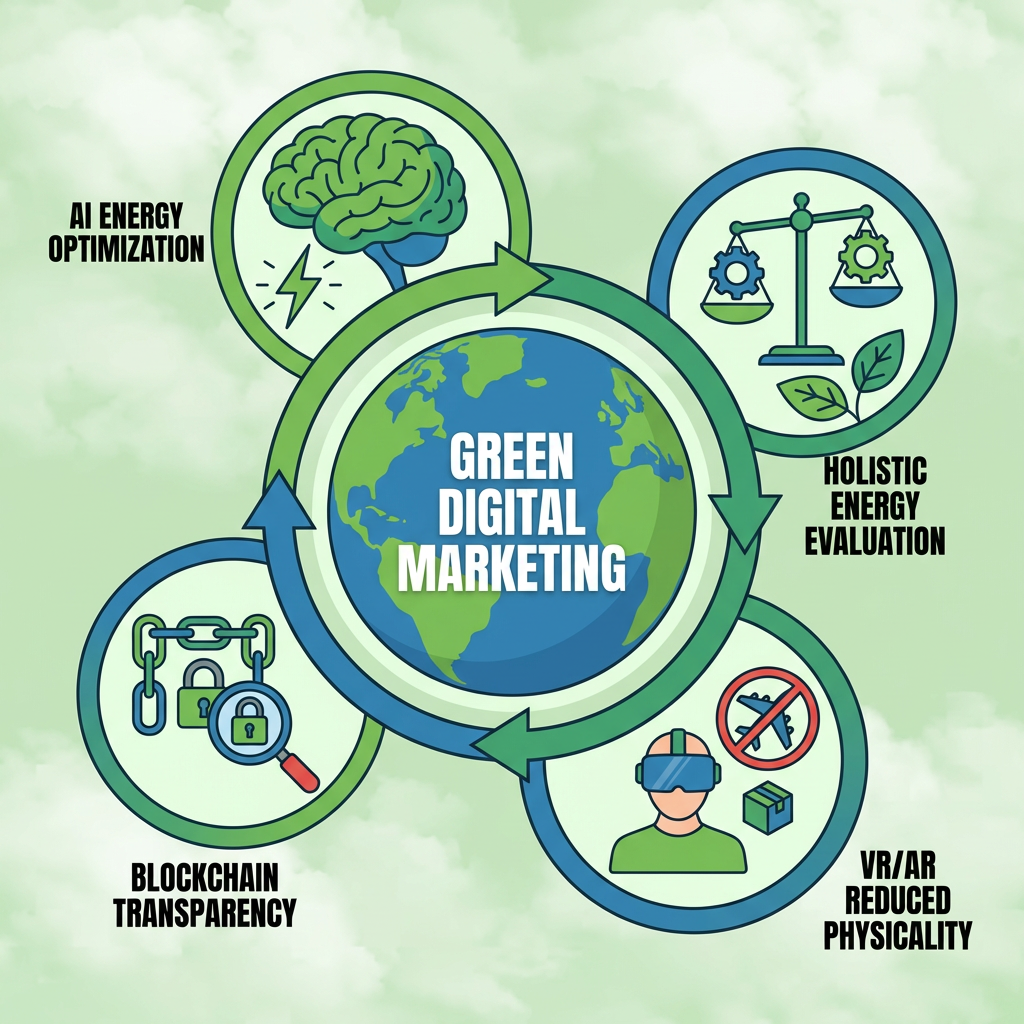
As technology evolves, new opportunities for sustainable marketing emerge. Artificial intelligence can optimize energy consumption in digital operations. Blockchain might enhance supply chain transparency. Virtual and augmented reality could reduce the need for physical product samples and travel—future topics that leading digital marketing classes are beginning to incorporate.
However, these technologies also introduce new environmental considerations. Their implementation must be evaluated holistically, ensuring that efficiency gains aren’t offset by increased energy consumption elsewhere.
The regulatory landscape is also evolving, with governments implementing stricter requirements for environmental claims and digital sustainability. Forward-thinking brands should exceed minimum requirements, positioning themselves as leaders rather than followers—a competitive advantage that showcases the strategic benefits of digital marketing leadership.
Taking Action
Digital sustainability and green marketing aren’t separate initiatives but interconnected aspects of responsible business practice. Start by assessing your current digital footprint, identifying areas for improvement, and setting measurable goals. Professionals trained through Classify Skill Education programs and graduates from the top digital marketing institute in West Delhi are well-equipped to lead these initiatives.
Engage your entire organization in sustainability efforts, ensuring that marketing claims reflect genuine operational commitments. Invest in employee training about environmental issues and empower teams to suggest improvements. Consider enrolling marketing teams in specialized digital marketing classes or a comprehensive performance marketing course to build these essential skills.
Remember that perfection isn’t the goal—progress is. Begin with achievable steps, communicate your journey honestly, and continuously seek ways to reduce environmental impact while serving customers effectively.
Conclusion
Digital sustainability represents both a challenge and an opportunity for modern brands. As consumer awareness grows and environmental pressures mount, businesses that embrace genuine green marketing strategies will build stronger customer relationships, enhance brand reputation, and contribute meaningfully to environmental protection—demonstrating the multifaceted benefits of digital marketing done responsibly.
The most successful green marketing doesn’t just promote sustainable products—it reflects a fundamental commitment to operating responsibly in the digital age. By optimizing digital infrastructure, communicating authentically, and continuously improving environmental performance, brands can demonstrate that profitability and sustainability aren’t opposing forces but complementary goals. These principles are increasingly integrated into curricula at institutions like the top digital marketing institute in West Delhi, through Classify Skill Education platforms, and in specialized performance marketing course programs.
The digital revolution has transformed how we do business. Now, the sustainability revolution is transforming how we should do business. Brands that recognize and act on this imperative will not only survive but thrive in an increasingly eco-conscious marketplace. Marketing professionals equipped with training from quality digital marketing classes will be at the forefront of this transformation, leveraging the strategic benefits of digital marketing to create both business value and positive environmental impact.