
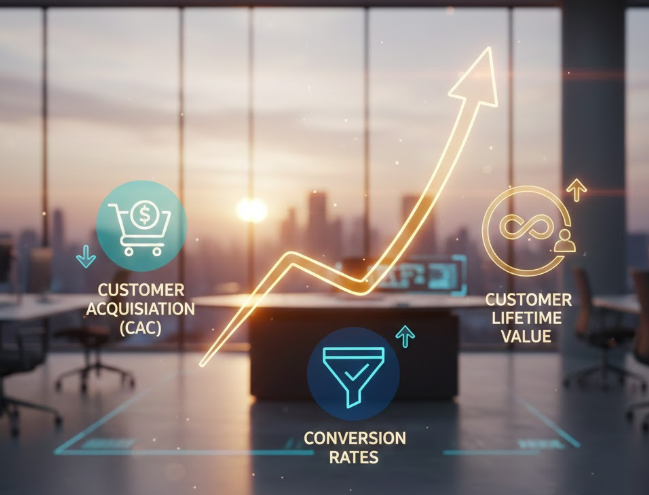
Data-Driven Digital Marketing: Using Analytics to Improve ROI
In today’s hyper-competitive digital landscape, marketing decisions based on gut feelings and assumptions are no longer sufficient. The most successful brands and marketers are those who leverage data analytics to drive their strategies, optimize campaigns, and maximize return on investment (ROI). Data-driven digital marketing has transformed from a competitive advantage into an absolute necessity for businesses of all sizes.
Understanding Data-Driven Digital Marketing
Data-driven digital marketing is the approach of optimizing brand communications based on customer information and insights. Instead of relying on intuition or traditional marketing wisdom, this methodology uses concrete data points, metrics, and analytics to inform every decision—from content creation and audience targeting to budget allocation and campaign optimization.
The power of data-driven marketing lies in its ability to provide measurable results, predictable outcomes, and continuous improvement. When you understand what works and what doesn’t through concrete numbers, you can allocate resources more efficiently and achieve better ROI consistently.
The Foundation: Key Analytics Metrics That Matter
Before diving into analytics, it’s crucial to understand which metrics actually impact your bottom line. Many marketers get lost in vanity metrics that look impressive but don’t contribute to business goals.
Essential metrics for ROI improvement include:
Conversion Rate: The percentage of visitors who complete a desired action, whether that’s making a purchase, filling out a form, or subscribing to a newsletter. This metric directly correlates with revenue generation.
Customer Acquisition Cost (CAC): The total cost of acquiring a new customer, including all marketing and sales expenses. Understanding your CAC helps you determine if your marketing spend is sustainable.
Customer Lifetime Value (CLV): The total revenue a business can expect from a single customer throughout their relationship. When CLV exceeds CAC by a healthy margin, your marketing is profitable.
Return on Ad Spend (ROAS): The revenue generated for every dollar spent on advertising. This metric is particularly important for paid campaigns across platforms like Google Ads, Facebook, and Instagram.
Engagement Rate: Especially crucial for social media marketing, this metric measures how actively your audience interacts with your content through likes, comments, shares, and saves.
If you’re looking to master these metrics and more, enrolling in a comprehensive social media marketing course can provide you with the analytical skills needed to excel in today’s data-centric marketing environment.
Collecting the Right Data: Sources and Tools
Data-driven marketing success begins with collecting relevant, accurate data from multiple sources. The digital ecosystem offers numerous touchpoints where valuable customer data can be gathered.
Website Analytics: Google Analytics remains the gold standard for understanding website traffic, user behavior, conversion paths, and content performance. It provides insights into which channels drive the most valuable traffic and where visitors drop off in your conversion funnel.
Social Media Analytics: Each social platform offers native analytics tools—Facebook Insights, Instagram Analytics, Twitter Analytics, LinkedIn Analytics, and YouTube Analytics. These tools reveal audience demographics, content performance, engagement patterns, and optimal posting times.
Email Marketing Platforms: Tools like Mailchimp, Constant Contact, and HubSpot track open rates, click-through rates, conversion rates, and subscriber behavior, allowing you to refine your email campaigns for better performance.
Customer Relationship Management (CRM) Systems: Platforms like Salesforce, HubSpot CRM, and Zoho CRM consolidate customer data from multiple touchpoints, providing a 360-degree view of customer interactions and sales pipeline health.
For professionals seeking to master these analytical tools comprehensively, the best institute for digital marketing will offer hands-on training with real-world applications of these platforms.
Turning Data into Actionable Insights
Collecting data is only the first step; the real value comes from analyzing it and extracting actionable insights. Here’s how to transform raw data into marketing gold:
Segment Your Audience: Use demographic, behavioral, and psychographic data to create detailed customer segments. Different segments respond to different messages, offers, and channels. By targeting them specifically, you can dramatically improve conversion rates and ROI.
Identify High-Performing Channels: Analyze which marketing channels deliver the best ROI for your business. You might discover that while Instagram drives high engagement, LinkedIn generates more qualified leads, or that email marketing has the highest conversion rate despite lower traffic volume.
Optimize Customer Journey: Map out the complete customer journey from awareness to conversion and beyond. Identify where potential customers drop off and optimize those touchpoints to reduce friction and improve conversion rates.
A/B Testing: Use data to run controlled experiments on everything from ad copy and images to landing page layouts and call-to-action buttons. Even small improvements in conversion rates can lead to significant ROI gains over time.
Predictive Analytics: Advanced analytics can forecast future trends, customer behavior, and campaign performance based on historical data, allowing you to make proactive rather than reactive decisions.
Those seeking expertise in these analytical approaches should consider the best social media marketing course near me that emphasizes practical application of data analytics in real campaigns.
Social Media Marketing: A Data-Driven Approach
Social media platforms generate enormous amounts of data that, when properly analyzed, can significantly improve marketing ROI. Here’s how to leverage social media analytics effectively:
Content Performance Analysis: Track which types of content (videos, images, carousels, stories) generate the highest engagement and conversions. Double down on what works and eliminate what doesn’t.
Audience Insights: Social platforms provide detailed demographic and psychographic data about your followers. Use this information to refine your targeting and create content that resonates with your ideal customer.
Timing Optimization: Analytics reveal when your audience is most active online. Posting during these peak times increases visibility and engagement without any additional cost.
Competitor Analysis: Monitor competitor performance to identify gaps in the market and opportunities for differentiation. Tools like Sprout Social and Hootsuite make competitive analysis straightforward.
Influencer ROI Measurement: If you’re investing in influencer marketing, track metrics like engagement rate, traffic driven, and conversions attributed to each influencer to ensure you’re partnering with the right people.
For those in specific localities looking to develop these skills, a social media course in Dwarka Mor, social media course in Nawada, or social media course in Janakpuri can provide localized training with practical, hands-on experience.
Improving ROI Through Campaign Optimization
The continuous optimization cycle is where data-driven marketing truly shines. Here’s how to systematically improve ROI:
Set Clear, Measurable Goals: Every campaign should have specific, quantifiable objectives tied to business outcomes. Whether it’s generating 100 qualified leads, achieving a 3:1 ROAS, or reducing CAC by 20%, clear goals provide direction for your analytics.
Monitor Real-Time Performance: Don’t wait until a campaign ends to review performance. Real-time monitoring allows you to identify problems early and make adjustments before budgets are wasted.
Budget Reallocation: Use performance data to shift budgets from underperforming campaigns and channels to those delivering strong ROI. This dynamic approach ensures optimal resource allocation.
Landing Page Optimization: Analyze landing page performance metrics like bounce rate, time on page, and conversion rate. Use heat maps to understand user behavior and continuously test improvements.
Attribution Modeling: Understand which touchpoints contribute to conversions. Multi-touch attribution models reveal the complete customer journey, ensuring you don’t overlook important channels that assist conversions even if they don’t get the last click.
Students enrolled in a comprehensive digital marketing course in Nawada or similar programs will learn these optimization techniques through real campaign management and analysis.
Personalization Through Data
One of the most powerful applications of data-driven marketing is personalization. Customers increasingly expect relevant, personalized experiences, and data makes this possible at scale.
Dynamic Content: Use customer data to display different content to different segments. E-commerce sites can show product recommendations based on browsing history, while B2B companies can customize messaging based on industry or company size.
Email Personalization: Beyond using first names, leverage behavioral data to send triggered emails based on specific actions—abandoned cart reminders, product recommendations based on past purchases, or re-engagement campaigns for inactive subscribers.
Retargeting Campaigns: Use website visitor data to create highly targeted retargeting campaigns that show relevant ads to people who’ve already expressed interest in your products or services.
Predictive Personalization: Advanced analytics can predict what customers want before they even search for it, allowing you to proactively present relevant offers and content.
Privacy, Ethics, and Data-Driven Marketing
As data becomes increasingly central to marketing success, privacy considerations and ethical data use have become paramount. Regulations like GDPR, CCPA, and others require marketers to be transparent about data collection and give customers control over their information.
Best practices include:
Being transparent about what data you collect and how it’s used, obtaining explicit consent for data collection and marketing communications, providing easy opt-out options for all marketing activities, securing customer data with appropriate cybersecurity measures, and only collecting data that’s genuinely useful for improving customer experience.
Ethical data use isn’t just about compliance—it builds trust with customers, which ultimately improves marketing performance and ROI.
The Future of Data-Driven Marketing
The evolution of analytics technology continues to expand possibilities for marketers. Artificial intelligence and machine learning are making predictive analytics more accurate and accessible. Voice search and smart speaker data are opening new channels for customer insights. Augmented reality and virtual reality are creating new data points about customer preferences and behavior.
Marketers who stay ahead of these trends and continuously develop their analytical skills will be best positioned to maximize ROI in an increasingly data-rich environment.
Conclusion: Making the Investment in Data Skills
Data-driven digital marketing isn’t just a trend—it’s the foundation of modern marketing success. The ability to collect, analyze, and act on data determines which businesses thrive and which struggle to compete.
Whether you’re a business owner looking to improve your marketing ROI or a professional seeking to advance your career, developing strong analytical skills is essential. The investment in learning data-driven marketing approaches pays dividends throughout your career and delivers measurable improvements to business performance.
For those serious about mastering these skills, finding the right educational program is crucial. Look for comprehensive training that covers analytics tools, data interpretation, campaign optimization, and hands-on experience with real campaigns. The best institute for digital marketing will provide not just theoretical knowledge but practical skills you can apply immediately to improve ROI.
The digital marketing landscape will only become more data-centric in the years ahead. Those who embrace analytics, continuously test and optimize, and make decisions based on evidence rather than assumptions will consistently outperform their competitors and achieve superior ROI. The question isn’t whether to adopt data-driven marketing—it’s how quickly you can develop the skills to leverage it effectively.
Start your journey toward data-driven marketing excellence today, and watch as your ROI transforms from unpredictable to systematically optimized for success.