
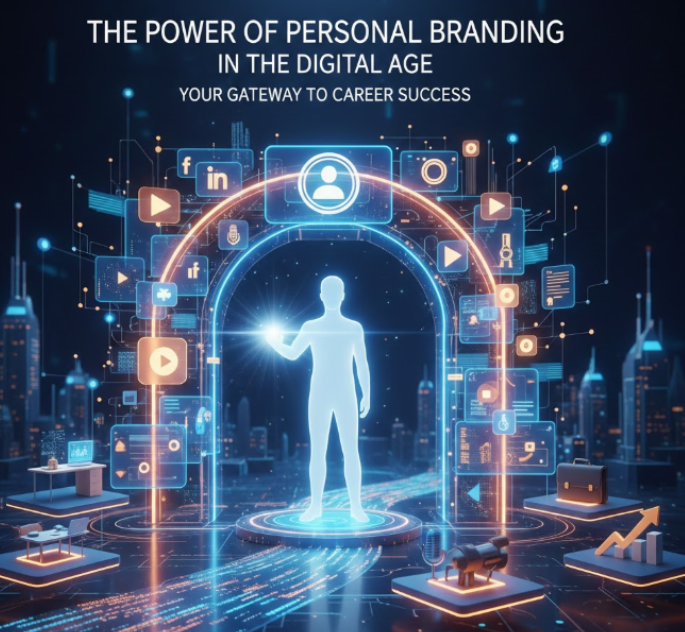
In today’s hyper-connected world, your online presence isn’t just a digital footprint—it’s your professional identity. Whether you’re a seasoned marketer, an entrepreneur, or someone exploring the scope in digital marketing, understanding personal branding has become non-negotiable. Your personal brand is the story people tell about you when you’re not in the room, and in the digital realm, that story is being written every single day through your social media profiles, blog posts, comments, and professional networks.
What Exactly Is Personal Branding?
Personal branding is the intentional practice of defining and expressing your unique value proposition. It’s about identifying what makes you different, valuable, and memorable in your industry or niche. Think of it as your professional reputation on steroids—amplified, curated, and strategically positioned across digital platforms.
For professionals in the marketing field, particularly those who have completed a diploma in digital marketing or are currently in a digital marketing internship, personal branding isn’t just beneficial—it’s essential. The digital marketing landscape is crowded, and standing out requires more than just technical skills. It demands a compelling narrative that showcases your expertise, personality, and unique perspective.
Why Personal Branding Matters More Than Ever
The digital revolution has democratized opportunity while simultaneously increasing competition. Anyone can claim to be an expert, but those who have invested in building a strong personal brand are the ones who get noticed, trusted, and hired.
Career Opportunities and Professional Growth
A well-crafted personal brand opens doors that traditional resumes simply cannot. When you’ve established yourself as a thought leader or expert in your field, opportunities come looking for you. Recruiters, potential clients, and collaborators discover you through your content, recommendations, and digital presence. This is particularly valuable for those seeking positions in competitive fields or looking to transition into digital marketing roles.
Many professionals who have trained at the best institute for digital marketing near me understand that technical knowledge is just the foundation. The real differentiator is how effectively you can communicate that knowledge and position yourself in the marketplace.
Building Trust and Credibility
In an era of information overload and skepticism, trust is currency. Personal branding helps you build that trust systematically. When you consistently share valuable insights, demonstrate your expertise, and engage authentically with your community, you create a reservoir of credibility that pays dividends throughout your career.
This is especially critical in digital marketing, where the benefits of digital marketing strategies you recommend to clients or employers must be backed by demonstrable expertise and trustworthiness.
Creating Your Own Opportunities
Perhaps the most powerful aspect of personal branding is that it allows you to create opportunities rather than wait for them. When you’re known for something specific—whether it’s expertise in AI in digital marketing course methodologies, social media strategy, or content marketing—you become the go-to person for those topics. This can lead to speaking engagements, consulting opportunities, job offers, and business partnerships.
The Components of a Strong Online Personal Brand
Building an effective personal brand requires intentionality across several key areas.
Clarity of Purpose and Positioning
Before you can brand yourself effectively, you need to know what you stand for. What are your core values? What expertise do you bring to the table? What problems do you solve? Your positioning should be specific enough to be meaningful but broad enough to allow for growth.
For instance, rather than positioning yourself simply as “a digital marketer,” you might be “a digital marketing strategist specializing in AI-powered customer acquisition for B2B SaaS companies.” This specificity makes you memorable and helps the right opportunities find you.
Consistent Visual Identity
Your visual presence across platforms should be cohesive and professional. This includes your profile photos, cover images, color schemes, and overall aesthetic. While you don’t need expensive branding materials, consistency signals professionalism and helps people recognize you across different platforms.
Content That Demonstrates Expertise
Content is the engine of personal branding. Whether through blog posts, social media updates, videos, or podcasts, sharing valuable content establishes your expertise and provides value to your audience. The key is consistency and quality over quantity.
Those who have completed a digital marketing internship often have real-world case studies and experiences to share. These authentic stories resonate far more than theoretical knowledge alone.
Authentic Engagement
Personal branding isn’t a broadcast channel—it’s a conversation. Engaging genuinely with your community, responding to comments, participating in discussions, and supporting others in your field builds relationships that strengthen your brand.
Leveraging Digital Platforms for Personal Branding
Different platforms serve different purposes in your personal branding strategy.
LinkedIn: Your Professional Headquarters
For most professionals, LinkedIn is the cornerstone of online personal branding. It’s where you showcase your experience, share thought leadership content, and network with peers and potential employers. Optimizing your LinkedIn profile, regularly sharing insights, and engaging with your network can dramatically increase your visibility.
If you’ve pursued education at what you consider the best institute for digital marketing near me, make sure that’s reflected in your profile along with specific skills and certifications you’ve earned.
Twitter/X: Real-Time Thought Leadership
Twitter excels at real-time engagement and conversation. It’s ideal for sharing quick insights, participating in industry conversations, and networking with other professionals. Many marketers build substantial followings by consistently sharing valuable content and engaging authentically.
Personal Website or Blog: Your Digital Home
While social platforms are important, they’re rented land. A personal website or blog gives you complete control over your narrative and content. It serves as a portfolio, a content hub, and a professional home base that you own entirely.
Instagram and TikTok: Visual Storytelling
Depending on your niche and audience, visual platforms like Instagram and TikTok can be powerful branding tools. They’re particularly effective for personal brands in creative fields or those targeting younger demographics.
The Benefits of Digital Marketing Knowledge in Personal Branding
Understanding digital marketing principles gives you a significant advantage in building your personal brand. When you comprehend SEO, content strategy, social media algorithms, and audience targeting, you can apply these principles to your own brand development.
This is where formal education becomes valuable. Whether through a diploma in digital marketing or specialized courses like those covering AI in digital marketing course content, structured learning gives you frameworks and strategies that you can immediately apply to your personal branding efforts.
The integration of artificial intelligence into marketing has opened new frontiers for personal branding. AI tools can help you analyze your audience, optimize posting times, generate content ideas, and even personalize your outreach at scale. Understanding these technologies positions you as a forward-thinking professional.
Common Personal Branding Mistakes to Avoid
Even with good intentions, many professionals sabotage their personal brands through common mistakes.
Inconsistency
Starting strong but failing to maintain regular engagement and content creation undermines your branding efforts. Your audience needs consistent touchpoints to remember and trust you.
Being Inauthentic
Trying to be someone you’re not always backfires. Authenticity resonates with people. Your quirks, perspectives, and personality are what make you unique—embrace them.
Focusing Only on Self-Promotion
Personal branding isn’t about constantly selling yourself. It’s about providing value, sharing insights, and building relationships. The 80/20 rule works well here: 80% valuable content, 20% self-promotion.
Neglecting to Engage
Building a personal brand isn’t a one-way street. If you only broadcast content without engaging with others, you’re missing the relationship-building component that makes personal branding powerful.
The Scope in Digital Marketing and Personal Branding Synergy
The digital marketing field is projected to continue growing exponentially, with increasing demand for skilled professionals who understand both strategy and execution. The scope in digital marketing extends across industries, from e-commerce and technology to healthcare and education.
Your personal brand in this space can open doors to diverse opportunities: agency positions, in-house marketing roles, consulting, freelancing, entrepreneurship, or teaching. Many successful digital marketers eventually transition to building their own agencies or becoming sought-after consultants—paths that are significantly easier when you’ve built a strong personal brand.
Practical Steps to Start Building Your Personal Brand Today
If you’re ready to take control of your online presence, here are actionable steps to begin:
Audit your current online presence. Google yourself and review all your social media profiles. What story does your current digital footprint tell?
Define your niche and positioning. Be specific about what you want to be known for and who you serve.
Optimize your main profiles. Start with LinkedIn, ensuring your profile is complete, professional, and keyword-optimized.
Create a content calendar. Plan regular content that demonstrates your expertise and provides value to your target audience.
Engage authentically. Comment on others’ posts, participate in discussions, and build genuine relationships in your field.
Invest in continuous learning. Whether through a digital marketing internship, courses, or self-study, stay current with industry trends and share your learning journey.
Be patient but persistent. Personal branding is a long-term investment. Results compound over time with consistent effort.
Conclusion: Your Brand, Your Future
In the digital age, personal branding isn’t vanity—it’s visibility. It’s the difference between being one of many and being the one that people remember, trust, and choose. Whether you’re just starting your career after training at the best institute for digital marketing near me or you’re a seasoned professional looking to elevate your career, investing in your personal brand is investing in your future.
The benefits of digital marketing knowledge extend far beyond client campaigns and company projects. When you turn those skills inward and apply them to building your own brand, you create a sustainable competitive advantage that follows you throughout your career.
Your personal brand is already being formed whether you’re managing it or not. The question isn’t whether to have a personal brand, but whether you’ll take control of the narrative or leave it to chance. The professionals who thrive in tomorrow’s marketplace will be those who understood this truth today and took action.
Start now. Your future self will thank you.