

The digital marketing landscape has undergone a seismic shift in recent years, with user-generated content (UGC) and influencer marketing emerging as the dominant forces driving brand engagement and conversions. As we navigate through 2026, businesses of all sizes are reallocating their marketing budgets, investing heavily in creator partnerships rather than traditional advertising channels. This transformation isn’t just a trend—it’s a fundamental change in how consumers discover, evaluate, and purchase products.
The Rise of Creator-Driven Marketing
Gone are the days when polished, studio-produced advertisements were the gold standard for brand marketing. Today’s consumers crave authenticity, relatability, and genuine recommendations from people they trust. This shift has created an unprecedented opportunity for brands to leverage the power of creators—from mega-influencers with millions of followers to micro-influencers with highly engaged niche audiences.
Classify Skill Education has observed this transformation firsthand, helping businesses integrate creator partnerships into their overall digital strategy. The results speak for themselves: brands utilizing UGC and influencer marketing report up to 11 times higher ROI compared to traditional advertising methods.
Why Authenticity Trumps Production Value
Modern consumers, particularly Gen Z and Millennials, have developed sophisticated filters for detecting inauthentic marketing. They scroll past perfectly polished ads but stop to watch a genuine product review from a creator they follow. This preference for authenticity has made AI video generation tools for social media increasingly valuable, as they allow creators to produce high-quality content efficiently while maintaining their authentic voice.
The statistics are compelling: 92% of consumers trust recommendations from individuals over branded content, and UGC-based ads generate 4 times higher click-through rates than traditional advertisements. This trust factor is invaluable in an era where ad blockers are ubiquitous and banner blindness is real.
The Technology Powering Creator Marketing Success
The explosion of creator marketing isn’t happening in isolation—it’s being supercharged by cutting-edge marketing technology. Brands are leveraging AI-first marketing automation 2026 platforms to identify the right creators, manage campaigns at scale, and measure performance with unprecedented precision.
Essential Tools for Modern Creator Campaigns
1. Advanced Creator Discovery and Management
Modern digital marketing software 2026 includes sophisticated creator discovery platforms that use artificial intelligence to match brands with the perfect influencers based on audience demographics, engagement rates, brand affinity, and content style. These platforms analyze millions of data points to ensure authentic partnerships that resonate with target audiences.
2. Performance Tracking and Analytics
Marketing ROI tracking tools AI have revolutionized how brands measure the impact of creator partnerships. These platforms provide real-time insights into campaign performance, tracking everything from engagement rates and reach to actual conversions and customer lifetime value. This data-driven approach allows brands to optimize campaigns mid-flight and make informed decisions about future investments.
Why Small Businesses Are Going All-In on Creators

While enterprise brands have long had the budgets for celebrity endorsements, the democratization of influencer marketing has leveled the playing field. Small businesses are discovering that micro and nano-influencers often deliver better results at a fraction of the cost.
The Micro-Influencer Advantage
Micro-influencers (10,000-100,000 followers) and nano-influencers (1,000-10,000 followers) boast engagement rates that often surpass those of mega-influencers. Their smaller, more dedicated audiences trust their recommendations implicitly, leading to higher conversion rates. For small businesses, this means accessing highly targeted audiences without the six-figure price tags associated with celebrity partnerships.
Classify Skill Education has developed comprehensive training programs helping small businesses identify and collaborate with micro-influencers in their niche. The must-have digital marketing tools for small business now include creator relationship management platforms that make it easy to find, vet, and work with creators at scale.
User-Generated Content: The Gift That Keeps Giving
While influencer partnerships provide controlled messaging through trusted voices, UGC offers something even more powerful: authentic customer testimonials that can be repurposed across multiple channels.
The Versatility of UGC
Smart brands are building entire content strategies around UGC. Customer photos, videos, reviews, and testimonials become raw material for:
- Social media posts that drive engagement
- Email campaigns powered by hyper-personalization tools for email marketing
- Website content that builds trust and reduces bounce rates
- Paid advertising that outperforms traditional creative
- Product pages that increase conversion rates
The beauty of UGC is its scalability. Once brands establish systems for collecting and curating customer content, they gain access to an endless stream of authentic marketing materials. Modern first-party data collection tools make it easier than ever to gather customer consent, collect content, and maintain compliance with privacy regulations.
Personalization at Scale Through Creator Content
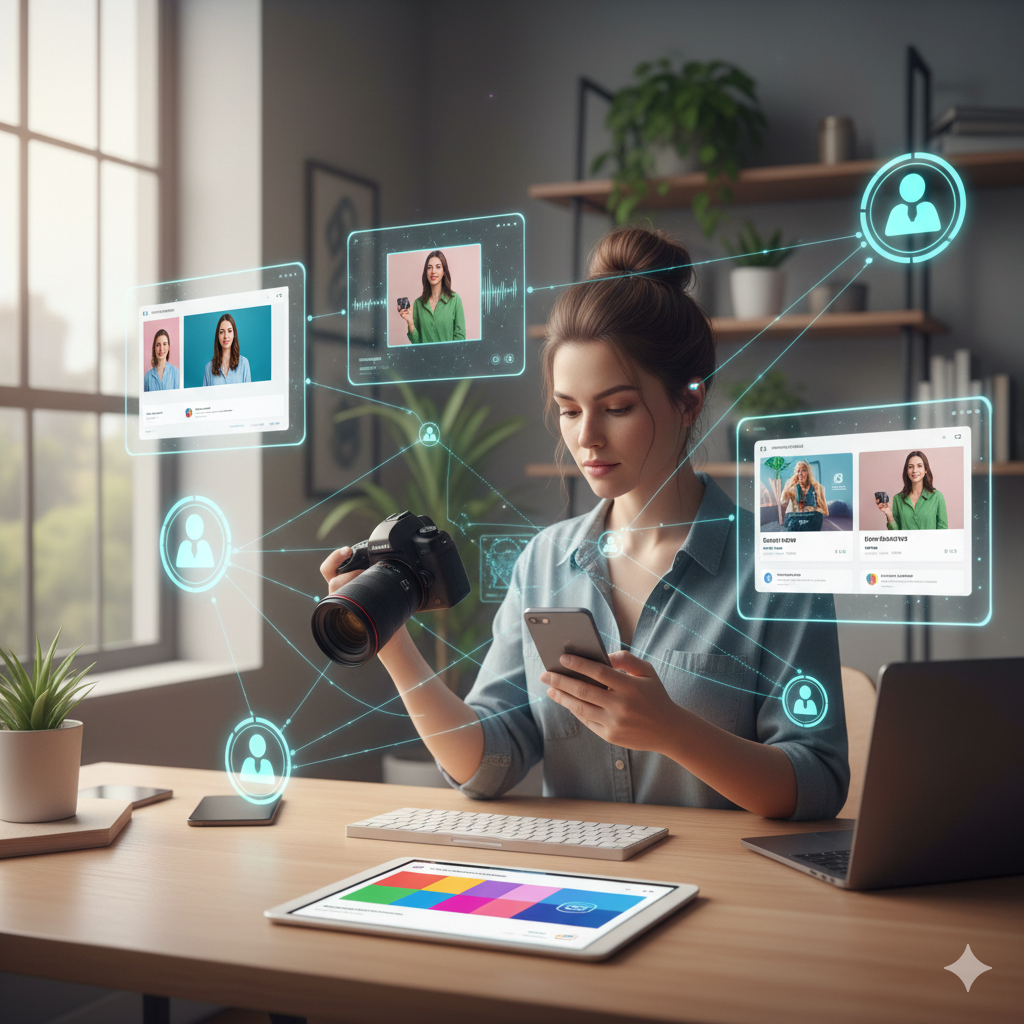
One of the most powerful aspects of creator marketing is the ability to deliver hyper-personalized messages to diverse audience segments. Different creators appeal to different demographics, psychographics, and interest groups, allowing brands to craft tailored narratives for each segment.
The Role of AI in Personalization
Conversational AI for e-commerce 2026 platforms are now integrating creator content into personalized shopping experiences. Imagine a potential customer asking an AI shopping assistant about a product and receiving a response that includes relevant creator reviews and demonstrations. This seamless integration of creator content into the purchasing journey represents the future of e-commerce.
Advanced top 10 digital marketing software 2026 solutions enable brands to automatically match creator content with audience segments, ensuring the right message reaches the right person at the right time. This level of personalization was impossible just a few years ago but is now standard practice for forward-thinking brands.
Building Long-Term Creator Partnerships
The most successful brands aren’t treating influencer marketing as a one-off campaign tactic—they’re building genuine, long-term relationships with creators who become true brand ambassadors.
From Transactional to Transformational
Smart brands are moving beyond the pay-per-post model to create deeper partnerships where creators have creative freedom, receive exclusive product access, and participate in product development. These authentic relationships produce content that feels genuine because it is genuine.
Classify Skill Education emphasizes this relationship-building approach in our digital marketing training programs, teaching brands how to identify values-aligned creators and nurture mutually beneficial partnerships that stand the test of time.
The Future of Creator Marketing
As we look ahead, several trends are shaping the evolution of creator marketing:
1. Virtual Influencers and AI-Generated Content
While human authenticity remains paramount, AI-generated virtual influencers are carving out their niche, offering brands complete control over messaging while still maintaining the personal touch of influencer marketing.
2. Creator Commerce Integration
Social platforms are rapidly expanding their shopping capabilities, allowing creators to sell products directly within their content. This seamless integration of content and commerce shortens the customer journey dramatically.
3. Enhanced Attribution and Measurement
New technologies are solving the age-old problem of influencer marketing attribution, providing brands with clear visibility into which creators and content types drive actual business results.
Conclusion: The Creator Economy Isn’t Going Anywhere
The data is clear: brands are investing more in creators because it works. UGC and influencer marketing deliver superior ROI, build authentic connections with consumers, and provide scalable content production that traditional methods simply cannot match.
For businesses of all sizes, the question is no longer whether to invest in creator marketing, but how to do it strategically and effectively. By leveraging the right tools—from Generative Engine Optimization (GEO) tools to AI-first marketing automation 2026 platforms—brands can maximize the impact of their creator partnerships and build marketing engines that deliver consistent, measurable results.
The creator economy represents a fundamental shift in how brands and consumers interact. Those who embrace this change, invest in the right tools and partnerships, and prioritize authenticity over perfection will thrive in this new landscape. The future of marketing isn’t about talking at consumers—it’s about empowering creators to start conversations, build communities, and drive genuine engagement that translates to business growth.