
In today’s digital landscape, appearing on Google Maps has become crucial for local businesses looking to attract nearby customers. Whether you’re running a digital marketing institute in Janakpuri or a social media institute in Dwarka Mor, mastering local SEO strategies can dramatically increase your visibility and foot traffic. At Classify Skill Education, we understand the importance of local search optimization, and in this comprehensive guide, we’ll explore the most effective strategies to dominate Google Maps rankings in 2026.
Understanding the Importance of Google Maps for Local Businesses
Google Maps has evolved from a simple navigation tool into a powerful business discovery platform. When potential students search for a “social media institute in Nawada” or a “digital marketing institute in Dwarka,” they’re often ready to make a decision. Appearing in those coveted top three positions on Google Maps (the “Local Pack”) can be the difference between a thriving business and one that struggles to attract customers.
Studies show that 76% of people who search for something nearby on their smartphone visit a related business within a day, and 28% of those searches result in a purchase. These statistics underscore why local SEO should be a top priority for any location-based business in 2026.
Optimize Your Google Business Profile Completely
Claim and Verify Your Business Listing
The foundation of any successful Google Maps strategy starts with claiming and verifying your Google Business Profile (formerly Google My Business). This free tool allows you to manage how your business appears on Google Search and Maps. For institutes like Classify Skill Education, ensuring accurate information across all platforms is essential.
Start by visiting the Google Business Profile website and claim your listing. Google will verify your business through a postcard, phone call, or email verification. Once verified, you have full control over your business information, including your business name, address, phone number, website, and operating hours.
Complete Every Section of Your Profile
Google rewards businesses that provide comprehensive information. Fill out every possible field in your profile, including:
- Business description: Write a compelling 750-character description that naturally incorporates keywords like “digital marketing institute in Nawada” or “social media institute in Janakpuri”
- Business category: Choose the most relevant primary category and add secondary categories
- Attributes: Select all applicable attributes such as “wheelchair accessible,” “free Wi-Fi,” or “online classes”
- Services: List all courses and services you offer, including digital marketing courses, social media training, and SEO workshops
- Products: Add specific course offerings with descriptions and images
Add High-Quality Photos and Videos
Visual content significantly impacts user engagement and ranking. Upload high-resolution photos of your institute, classrooms, faculty, student activities, and success stories. Businesses with photos receive 42% more requests for directions and 35% more clicks to their websites. Add videos showcasing your training environment, student testimonials, and course highlights to stand out from competitors.
Master NAP Consistency Across the Web
What is NAP and Why It Matters
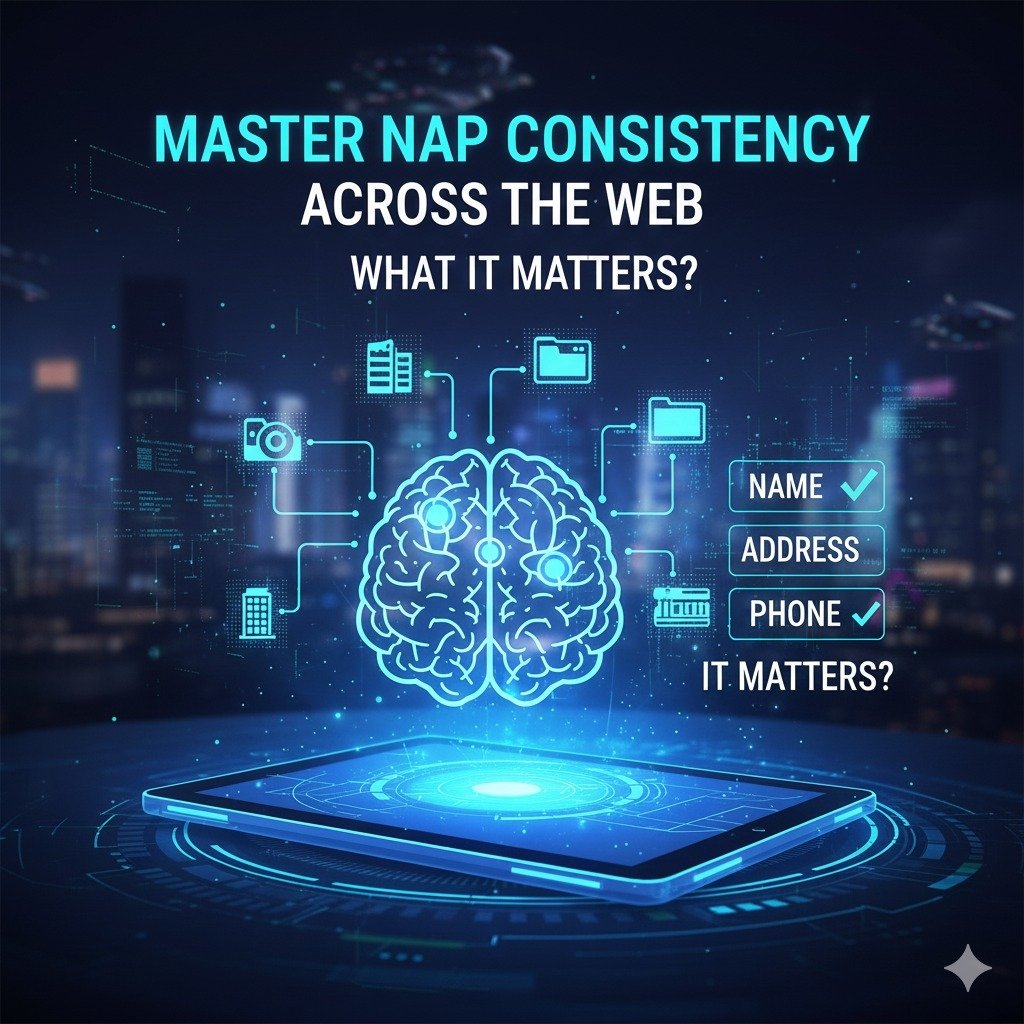
NAP stands for Name, Address, and Phone number. Consistency in these three elements across the entire internet is crucial for local SEO success. Google uses NAP information to verify your business legitimacy and determine your ranking.
For Classify Skill Education, ensure that your business name, complete address in Dwarka Mor, Nawada, or Janakpuri, and phone number appear identically on:
- Your website
- Google Business Profile
- Social media platforms (Facebook, Instagram, LinkedIn, Twitter)
- Online directories (Justdial, Sulekha, IndiaMART)
- Citation sites (Yellow Pages, Yelp)
- Educational platforms and course listing websites
Even minor variations like “Classify Skill Education” versus “Classify Skill Education Institute” can confuse search engines and dilute your local SEO efforts.
Build Citations on Relevant Platforms
Citations are online mentions of your business information. Focus on building citations on:
- General directories (Google, Bing Places, Apple Maps)
- Industry-specific directories (education portals, training institute directories)
- Local business directories (Delhi-specific directories)
- Social platforms
- Review sites
Quality matters more than quantity. Focus on authoritative, relevant sites rather than spammy directories.
Generate and Manage Customer Reviews Strategically
The Power of Google Reviews
Reviews are one of the most influential ranking factors for Google Maps. They serve as social proof and directly impact your visibility. Businesses with higher ratings and more reviews consistently outrank competitors.
Create a systematic approach to gathering reviews:
- Ask at the right time: Request reviews when students complete a course or achieve a milestone
- Make it easy: Send direct links to your Google review page via email or SMS
- Personalize requests: A personal request from an instructor yields better results than generic automated messages
- Respond to all reviews: Thank positive reviewers and address concerns in negative reviews professionally
Respond to Reviews Promptly and Professionally
Responding to reviews shows potential customers that you value feedback and demonstrates active management of your online reputation. When responding:
- Thank reviewers for their time
- Address specific points they mentioned
- Offer solutions for negative experiences
- Keep responses professional and branded
- Include keywords naturally where appropriate (e.g., “We’re glad you enjoyed our digital marketing course at our Janakpuri location”)
Optimize Your Website for Local Search
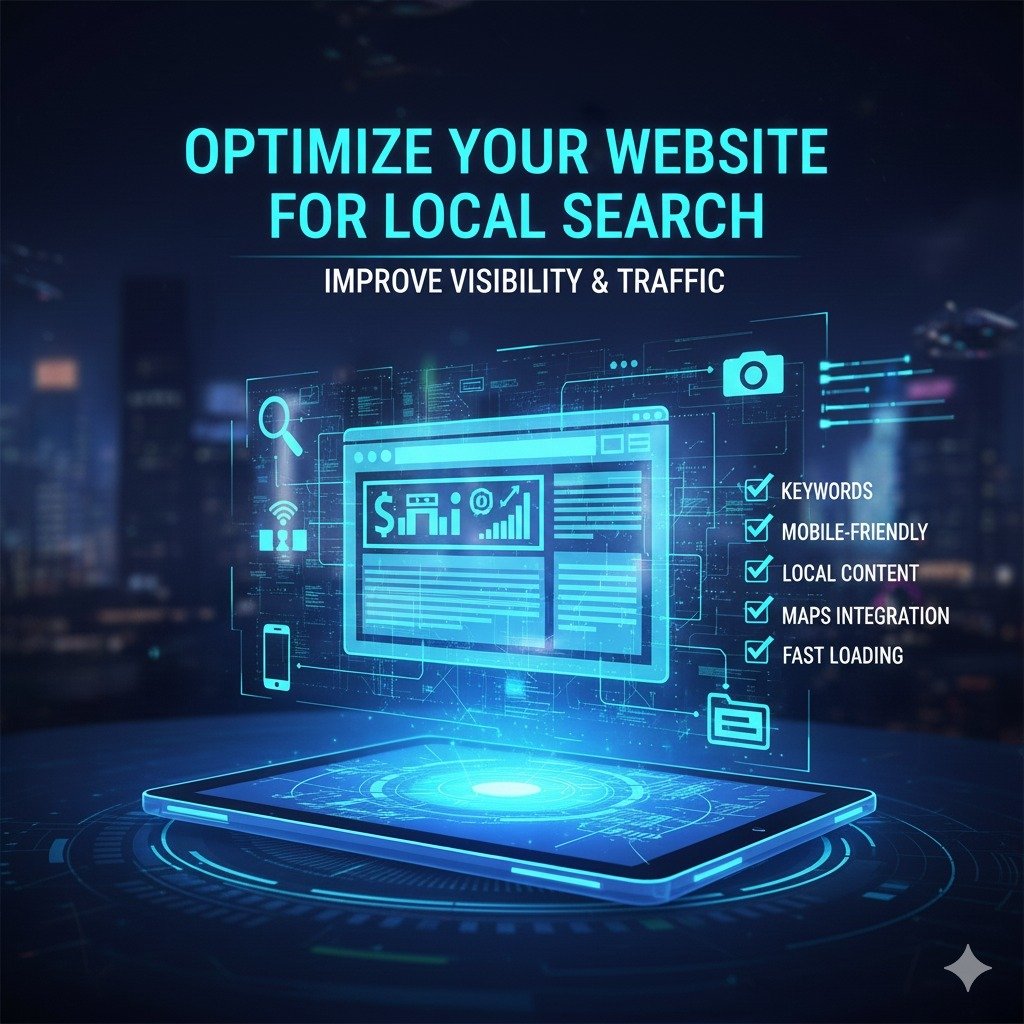
Create Location-Specific Landing Pages
If Classify Skill Education operates in multiple locations like Dwarka Mor, Nawada, and Janakpuri, create dedicated landing pages for each location. These pages should include:
- Location name in the title tag and H1 heading
- Complete address with an embedded Google Map
- Location-specific content highlighting unique aspects of each branch
- Local landmarks and directions
- Testimonials from students at that location
- Contact information specific to that branch
For example, create separate pages optimized for “social media institute in Dwarka Mor” and “digital marketing institute in Nawada” rather than trying to rank one page for multiple locations.
Implement Local Schema Markup
Schema markup helps search engines understand your content better. Implement LocalBusiness schema on your website to provide structured data about your institute, including:
- Business name
- Address
- Phone number
- Business hours
- Price range
- Ratings and reviews
- Courses offered
This structured data increases your chances of appearing in rich snippets and enhances your visibility in local search results.
Mobile Optimization is Non-Negotiable
With over 60% of Google searches coming from mobile devices, mobile optimization directly affects your local rankings. Ensure your website:
- Loads quickly (aim for under 3 seconds)
- Has a responsive design that adapts to all screen sizes
- Features easy-to-click buttons and phone numbers
- Displays location information prominently
- Offers simple navigation
Google’s mobile-first indexing means your mobile site performance directly impacts your overall search rankings.
Leverage Local Content Marketing
Create Hyperlocal Content
Produce content that resonates with your local audience. Write blog posts about:
- Local events and how your institute participates
- Success stories of students from specific neighborhoods
- Digital marketing trends affecting Delhi businesses
- Social media strategies for local businesses
- Partnerships with local companies for placements
For instance, an article titled “How Classify Skill Education Students Are Transforming Digital Marketing in West Delhi” combines local relevance with your brand.
Build Local Backlinks
Backlinks from local websites signal relevance to Google. Pursue backlinks from:
- Local news websites
- Delhi-based educational blogs
- Chamber of Commerce websites
- Local business associations
- Educational institutions in Delhi
- Community websites
- Local event sponsorships
Guest posting on Delhi-focused blogs or getting featured in local news for your training programs can generate valuable local backlinks.
Utilize Social Signals and Engagement
Maintain Active Social Media Presence
While social signals aren’t direct ranking factors, they contribute to your overall online presence and drive traffic. For a social media institute in Janakpuri, demonstrating expertise through active social profiles is essential.
Post regularly about:
- Student achievements and success stories
- Digital marketing tips and trends
- Course updates and new offerings
- Industry news and insights
- Behind-the-scenes content from your institute
Encourage students to tag your location when posting about your courses, creating additional social signals associated with your business.
Engage with Local Online Communities
Participate in local Facebook groups, Reddit communities, and forums related to education and career development in Delhi. Answer questions, provide value, and establish your institute as a trusted local resource. This builds brand awareness and drives referral traffic.
Monitor and Adapt Your Local SEO Strategy
Track Your Rankings and Performance
Use tools like Google Analytics, Google Search Console, and local SEO tracking tools to monitor:
- Google Maps ranking positions for target keywords
- Website traffic from local searches
- Click-through rates from Google Business Profile
- Conversion rates from local traffic
- Review acquisition rate
At Classify Skill Education, regularly analyzing these metrics helps identify what’s working and where adjustments are needed.
Stay Updated with Algorithm Changes
Google continuously updates its algorithms, and local search ranking factors evolve. Stay informed about:
- Google Business Profile updates and new features
- Changes to local pack algorithms
- New ranking factors
- Emerging local SEO trends
- Competitor strategies
Following industry blogs, attending webinars, and joining SEO communities keeps you ahead of the curve.
Conclusion: Your Roadmap to Google Maps Domination
Ranking on Google Maps in 2026 requires a comprehensive, multi-faceted approach. By optimizing your Google Business Profile, maintaining NAP consistency, generating authentic reviews, creating location-specific content, and building local relevance, you can significantly improve your visibility.
Whether you’re promoting your digital marketing institute in Dwarka or establishing your social media institute in Nawada, these strategies provide a solid foundation for local SEO success. At Classify Skill Education, we practice what we teach, and these same strategies have helped us become a recognized name in digital marketing and social media training across multiple Delhi locations.
Remember, local SEO is not a one-time effort but an ongoing process. Consistency, authenticity, and providing genuine value to your local community will always be the cornerstones of sustainable ranking success. Start implementing these strategies today, and watch your Google Maps presence grow throughout 2026 and beyond.
If you’re looking to master these digital marketing strategies yourself, consider enrolling in courses at Classify Skill Education – where we transform beginners into digital marketing professionals through practical, hands-on training at our institutes in Dwarka Mor, Nawada, and Janakpuri.